
Why is choosing the right jewellery for haldi ceremony confusing today
Choosing the right jewellery for haldi ceremony feels confusing today because the rules are no longer clear. Earlier, haldi was simple. Light flowers, small gold, done. Now it is a photographed event, shared online, and remembered forever. Expectations have changed.
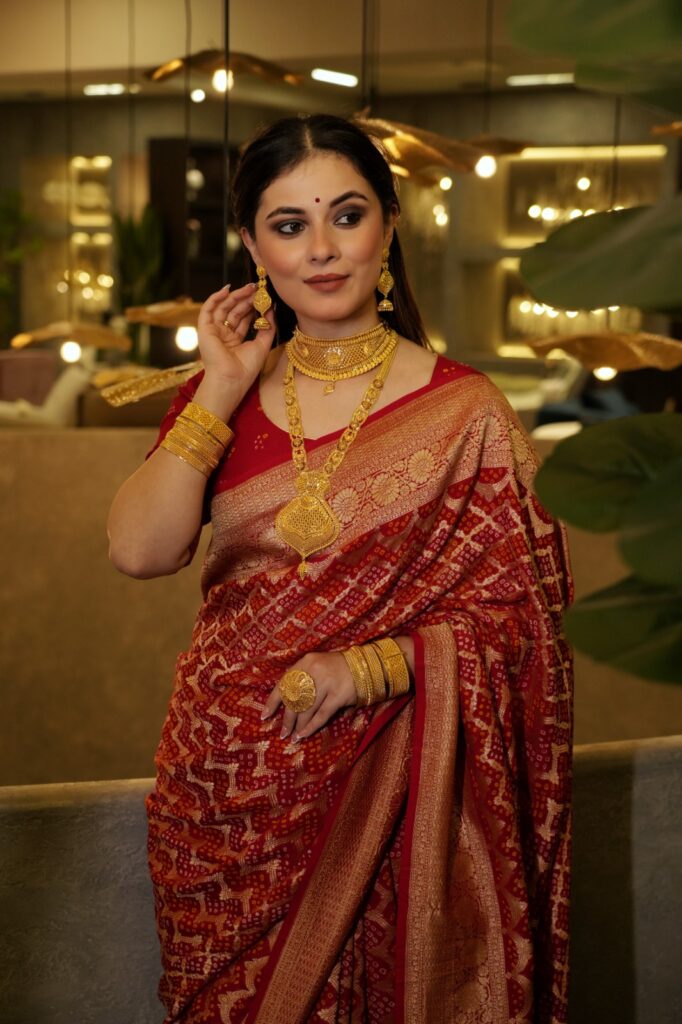
In my day-to-day work at Sunaar The Jeweller, I meet women who are stuck between comfort and looks. They want jewellery that survives haldi water, turmeric stains, and still looks good in photos. Social media adds pressure. What looks nice on Instagram often feels heavy or irritating in real ceremonies.
Another confusion comes from too many options. Artificial, silver, floral, polki-inspired, customised pieces. Most buyers are not sure what is practical and what is only trending.
If you are comparing too many styles and still unsure, you are not alone. This confusion is real, and it is happening more in 2026 than ever before.
What makes jewellery for haldi different from wedding or mehendi jewellery
Jewellery for haldi is different because the ceremony itself is very different. Haldi is messy, emotional, and fast. There is water, turmeric, hugs, and people pulling you into the ritual without warning. Wedding or mehendi jewellery is chosen for sitting properly. Haldi jewellery has to survive movement.
I often explain this to clients at Sunaar The Jeweller when they bring heavy pieces meant for the wedding. Those pieces look good but become uncomfortable within minutes. Haldi jewellery needs to be light, washable, and safe on skin. Turmeric can react with certain metals and stones. That is something many people realise only after damage happens.
Another big difference is mood. Haldi jewellery is joyful and relaxed, not formal. It should support the ceremony, not distract you or slow you down. Comfort always comes first here.
What types of jewellery for haldi function actually work in real ceremonies
Here’s what actually works in real jewellery for haldi function based on what I see every season in Delhi and nearby areas like Rajouri Garden, Janakpuri, Uttam Nagar, and Najafgarh.
Practical types that women pick in real ceremonies
- Floral jewellery
Fresh or faux flowers are forgiving with haldi and water. They look bright, cheerful, and blend with the haldi vibe. In many ceremonies, brides prefer fresh garlands and floral earrings because they do not react to turmeric. - Simple gold or gold-plated sets
Light gold kasu chains, small studs, plain bangles. These do not invite reactions and stay comfortable for hours. - Pearl-accented minimal pieces
Pearls and bead chains are easier on the skin and don’t trap haldi paste. I have seen many brides choose just pearl studs and bracelets for the haldi day. - Lightweight kundan sets with minimal stones
Not the full heavy wedding set but small kundan necklaces or tikka that are easy to wear and safe to clean.
What usually looks good and stays practical
| Jewellery Type | Practical in Haldi | Good in Photos | Easy to Clean |
| Floral Jewellery | ✔ | ✔ | ✔ |
| Small Gold Pieces | ✔ | ✘ | ✔ |
| Pearl Accessories | ✔ | ✔ | ✔ |
| Light Kundan | ✔ | ✔ | ✘ |
What often does not work well
- Heavy diamond or full stone bridal sets
These trap haldi paste and get scratched. - Big metal chokers
They rub against skin and make haldi cleaning harder.
When clients tell me they want something wearable all day, these practical types usually work best. They look nice in photos and are easier to manage in the actual ceremony.
How to match jewellery for haldi outfit and haldi dress correctly
Matching jewellery for haldi outfit and haldi dress is less about trends and more about balance. This is where many people overthink and still miss the mark.
What I usually guide clients to do at Sunaar The Jeweller is start with the dress colour and fabric, not the jewellery.
Here is what works in real haldi ceremonies:
- Yellow or off-white outfits
Go with floral jewellery, pearls, or very light gold. Heavy contrast looks forced here. - Printed or embroidered haldi dress
Keep jewellery minimal. Studs, a small necklace, or just bangles are enough. - Plain outfits
You can add a little colour through earrings or a simple neckpiece.
One simple rule I share: if the dress already stands out, let jewellery stay quiet. Comfort and clean photos matter more than matching every element.
What most women get wrong while buying haldi jewellery
Most mistakes happen because haldi jewellery is treated like a smaller wedding function. It is not. Haldi is practical first, looks later.
From what I see daily while guiding buyers at Sunaar The Jeweller, these are the common errors:
- Buying heavy jewellery
Heavy pieces feel fine in the showroom but become irritating once haldi and water are involved. - Choosing delicate stones or diamonds
Haldi paste gets stuck inside settings and cleaning later becomes stressful. - Matching jewellery to photos, not the ceremony
Instagram-inspired looks often ignore movement, sweat, and comfort. - Overdoing everything
Necklace, earrings, bangles, hair jewellery. In real ceremonies, this looks cluttered. - Ignoring skin sensitivity
Some metals react badly with turmeric and moisture.
Haldi jewellery should support the moment, not become a problem you keep adjusting. Comfort always shows in photos, even if people do not realise it immediately.
How to choose haldi jewellery for women based on comfort and photos
Choosing haldi jewellery for women becomes easy when you judge it on two things only: how it feels during the ceremony and how it looks after two hours of haldi, not before.
In real fittings at Sunaar The Jeweller, this is the approach that works best:
- Check movement, not mirror look
Lift your arms, bend slightly, turn your neck. If jewellery pokes or pulls, skip it. - Lightweight always photographs better
Heavy pieces make shoulders stiff. That stiffness shows clearly in photos. - Avoid tight chokers
Haldi paste spreads. Tight neck pieces get messy and uncomfortable fast. - Choose fewer pieces
Earrings plus bangles or a small necklace is usually enough.
A calm, relaxed face always looks better in photos than perfect matching jewellery. Comfort shows. Cameras catch that instantly.
What materials, colours, and designs are safest for haldi ceremony
For a haldi ceremony, safety is about skin, stains, and stress after the function. What looks good for ten minutes but creates problems later is never worth it.
From years of hands-on selection work at Sunaar The Jeweller, these choices are the safest in real ceremonies:
Safest materials
- Fresh or faux floral jewellery
No reaction with haldi. Easy to discard or clean. - Plain gold or gold-plated pieces
Small studs, thin chains, simple bangles. - Pearls and beads
They do not trap turmeric paste easily.
Colours that work best
- White, off-white, soft green, pastel pink
- Avoid dark metals or oxidised finishes for haldi
Designs to prefer
- Open designs that are easy to wash
- Smooth surfaces without deep stone settings
- Minimal hooks and edges to avoid skin irritation
Avoid: diamonds, heavy kundan, oxidised silver, and tightly set stones. Haldi is forgiving only when jewellery is simple.
How pricing works for jewellery for haldi and what is worth paying for
Pricing for jewellery for haldi creates confusion because people mix emotional value with practical use. Haldi jewellery is worn for a few hours, not preserved like wedding gold. Once you see it that way, decisions become easier.
While guiding buyers at Sunaar The Jeweller, I usually break pricing into use-based thinking, not status-based thinking.
How haldi jewellery is generally priced
| Jewellery Type | Usual Price Range | Worth Paying For |
| Floral jewellery | Low | Fresh look and comfort |
| Artificial sets | Low–Medium | One-day wear, photos |
| Gold-plated | Medium | Skin safety, easy reuse |
| Real gold (light) | Medium–High | Simple pieces you can reuse |
What is actually worth your money
- Comfort that lasts the full ceremony
- Materials that do not react with haldi
- Pieces you can reuse for other small functions
What usually is not worth it
- Heavy gold sets only for haldi
- Diamond or high-maintenance jewellery
- Trend-driven designs with no reuse value
Key takeaway: spend less on design drama, more on comfort and reusability. Haldi jewellery should feel easy, not expensive to worry about.
Real client case studies from my work with haldi jewellery selections
Here are real client case studies from my day-to-day work handling haldi jewellery selections. I am sharing these because most blogs skip what actually happens on the ground.
Case Study 1: Heavy jewellery regret avoided just in time
Client situation:
A bride shortlisted a heavy kundan set she originally bought for her mehendi.
Problem faced:
During trial, the necklace felt tight and trapped turmeric easily. Cleaning risk was high.
Action taken:
At Sunaar The Jeweller, we switched her to pearl studs, floral bangles, and a light gold chain two days before haldi.
Result achieved:
She stayed comfortable throughout the ceremony. Photos looked natural. Jewellery was reused later without damage.
Case Study 2: Skin reaction issue solved
Client situation:
A client with sensitive skin wanted artificial jewellery for haldi.
Problem faced:
Previous haldi caused itching due to metal reaction with turmeric.
Action taken:
We suggested fresh floral jewellery with minimal metal contact.
Result achieved:
No skin reaction. She later told us haldi felt relaxed this time.
Case Study 3: Overdone look simplified
Client situation:
Bride planned full jewellery set inspired by social media.
Problem faced:
Too many pieces made her feel stiff and overwhelmed.
Action taken:
We reduced it to earrings and bangles only.
Result achieved:
Calm expressions in photos and smooth ceremony flow.
Key takeaway from real work:
Haldi jewellery works best when it solves comfort first. Every client who simplified their choice thanked us later, not during selection but after the ceremony.
Key takeaways before finalising jewellery for haldi ceremony
Before you lock your jewellery for haldi ceremony, pause for a moment. These small checks save regret later. I share these because they come directly from real selection mistakes I see getting repeated.
Key takeaways to remember
- Comfort matters more than design for haldi
- Jewellery should survive turmeric, water, and movement
- Light pieces always look better in real photos
- Avoid tight chokers and heavy stone settings
- Choose materials that are easy to clean or disposable
- Spend based on reuse, not emotion
- Fewer pieces create a calmer, happier look
At Sunaar The Jeweller, whenever clients follow these basics, their haldi day feels smoother. No constant adjusting. No jewellery stress. Just enjoying the moment.
If you are still comparing options, use these points as your final checklist. They rarely fail in real ceremonies.
What will change in haldi jewellery trends in the next 1–2 years
In the next 1–2 years, I expect haldi jewellery to lean even more toward comfort and simplicity. Trends that worked once for photos only will start fading as real ceremony comfort becomes a priority.
From what I am seeing in 2026, these changes are shaping up:
- More natural elements
Fresh flowers, pearls, and bead combinations will grow because they stay comfortable and photograph well without shine distractions. - Minimal gold pieces over heavy sets
Brides will choose a few light gold pieces that can be reused for other functions. This is both practical and cost-savvy. - Colours that match haldi mood
Pastels and soft tones that blend with turmeric will become more popular than bright, contrasting chunks. - Less stone setting, more smooth finishes
Deep stone work tends to trap haldi paste and becomes hard to clean. Smooth designs that photograph naturally will take over.
These are not just guesses. I see this shift already in choices made by clients at Sunaar The Jeweller across Delhi and its surrounding localities like Vikas Puri, Dwarka, and Sultanpur. People are choosing pieces that look timeless in albums, not just trendy in reels.
If you are planning ahead, keep these shifts in mind. Future brides will thank you for choices that stay elegant without fuss.
How we work and why Sunaar The Jeweller focuses on practical choices
This is the part where I speak honestly, not as a brand pitch, but as a working professional.
I am Harshit, business owner at Sunaar The Jeweller. I started this work after watching how often people felt confused or pressured while buying jewellery for small but emotional functions like haldi. Over time, while managing showrooms and working with my team across locations, one thing became clear. Most problems come from impractical choices.
Our way of working is simple. We listen first. We ask how the ceremony will happen, who will be around, how long it will last. Then we suggest pieces that actually survive the function. I have worked with brides who came back after haldi and said, “This time I enjoyed, not adjusted.”
We focus on comfort, skin safety, reuse, and honest guidance. No forcing trends. No overloading jewellery. Just choices that make sense in real life.
Frequently Asked Questions about jewellery for haldi ceremony
In real ceremonies, light floral jewellery, pearl studs, and simple gold-plated pieces work best. They stay comfortable with haldi and water. Over the years, I have seen these options cause the least stress during and after the function.
Yes, but only light and simple gold pieces. Avoid heavy sets. In many real cases I handled, thin chains, small studs, and plain bangles stayed safe and reusable even after proper cleaning.
Artificial jewellery is fine for one-day wear, but skin sensitivity matters. I have seen clients face itching when metals react with turmeric. Always test before finalising, especially if the ceremony lasts long.
Less is always better. Usually earrings and bangles are enough. From real ceremonies I observed, too many pieces make movement uncomfortable and photos look cluttered rather than graceful.
White, off-white, soft green, pastel pink, and light gold work best. These blend naturally with turmeric. Dark metals or heavy contrast colours often overpower the haldi look in photos.
Exact matching is not necessary. Balance matters more. I have seen better results when jewellery supports the outfit instead of competing with it. Comfort always reflects in photos.
Yes, if chosen smartly. Simple gold, pearl, and minimal designs can be reused for puja or small functions. Trend-heavy or delicate pieces usually stay unused after haldi.
Avoid diamonds, heavy kundan, tight chokers, and deep stone settings. In real experience, these trap haldi paste and increase cleaning and damage risk.
Ideally one to two weeks before the ceremony. This gives time for trials and comfort checks. Last-minute choices often lead to regret, which I have seen repeatedly.
Someone who understands real ceremony flow, not just trends. At Sunaar The Jeweller, we guide based on comfort, skin safety, and reuse, not just looks.
Final thoughts before you decide your haldi jewellery
Before you decide your haldi jewellery, take a step back and picture the actual ceremony, not the photos alone. There will be movement, laughter, turmeric everywhere, and very little time to adjust anything.
From what I have seen while guiding people at Sunaar The Jeweller, the happiest brides are the ones who choose calm, light, and practical pieces. They enjoy the moment instead of worrying about stains, weight, or discomfort.
There is no perfect design for haldi. There is only the right choice for your comfort, skin, and ceremony style. Take your time, ask the right questions, and trust choices that feel easy.
If you want to explore further or just need clarity before deciding, you can always take a little more time or speak with someone experienced. Thoughtful decisions always show, even in the smallest functions.