

Introduction: Why Finding the Right Diamond Jewellery Shop Near Me Matters Today
If you’ve ever typed “diamond jewellery shop near me” into Google, chances are you weren’t just browsing. You were probably looking for something specific. Maybe a ring for an engagement, a gift for a wedding at home, or your first serious diamond purchase after years of planning. In India, diamond jewellery is rarely an impulse buy. It comes with emotion, money, and trust all mixed together.
Today, this search matters more than it did a few years ago. Prices are higher, choices are endless, and buyers are far more informed. At the same time, confusion has also increased. Lab-grown vs natural diamonds, online discounts vs showroom experience, certificates, buyback promises, making charges… it’s a lot to process, especially if this is not your daily business.
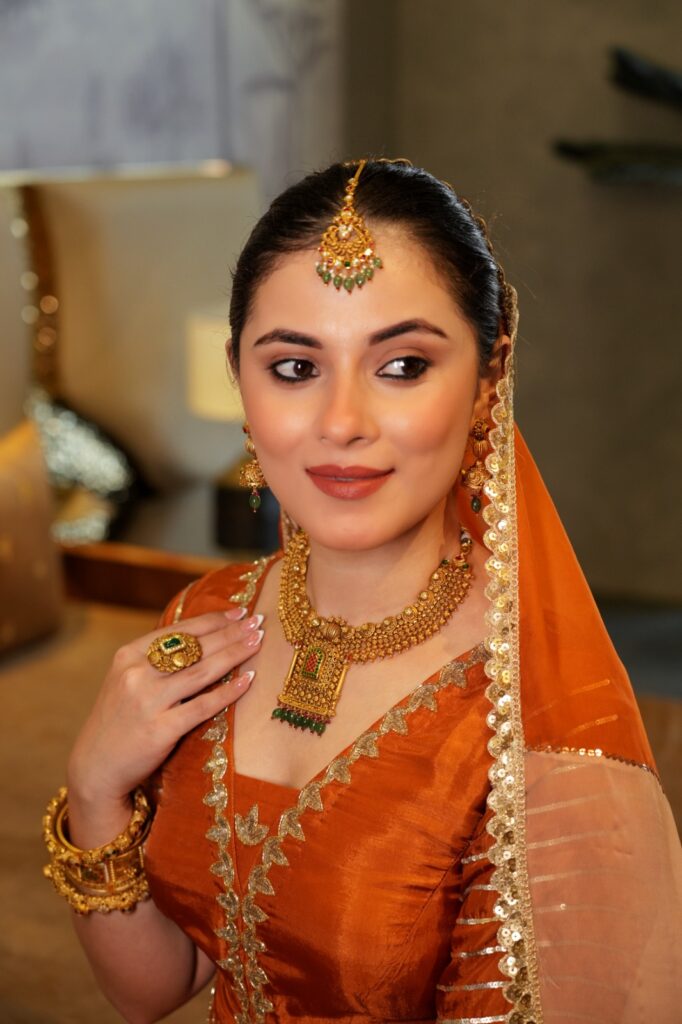
That’s why the idea of a trusted diamond jewellery shop near you still holds real value in 2026. A nearby jeweller gives you something a website or an Instagram page cannot fully replace: the ability to see, feel, compare, ask uncomfortable questions, and walk out only when you’re satisfied. For many Indian families, this reassurance is non-negotiable.
This guide is written keeping that exact situation in mind. Not to push a sale, not to confuse you with jargon, but to help you understand how to think clearly, ask the right questions, and make a confident decision when choosing diamond jewellery near you. Whether you are a buyer, a working professional in the jewellery industry, or a business owner trying to understand customer intent, this will help you see the full picture, simply and honestly.
What People Really Mean When They Search “Diamond Jewellery Shop Near Me”
When someone searches “diamond jewellery shop near me”, they’re not actually searching for a shop. They’re searching for reassurance. In India, this query usually comes with a mix of urgency, emotion, and risk-awareness.
For most buyers, the real intent looks like this:
- “I want to see the jewellery in person, not just photos.”
- “I need someone trustworthy, not just cheap.”
- “I don’t want to make a mistake with certification or pricing.”
- “I want help from a real human, not a chatbot.”
This is especially true for first-time diamond buyers. Unlike gold, diamonds are not familiar territory for many families. Cut, clarity, colour, carat, certificates… simple shabdon mein samjhein, yeh sab cheezein thodi intimidating lagti hain. So people naturally look for a nearby expert who can explain without judging.
There’s also a strong local trust factor at play. A shop near you means:
- You can walk in again if something feels off.
- You know where to go for resizing, polishing, or repairs.
- There’s accountability beyond a courier tracking number.
Another important layer is contextual buying. Many searches happen because:
- A wedding date is fixed
- A proposal is planned quietly
- A family function is coming up
- An old gold piece is being upgraded to diamond jewellery
In these moments, buyers don’t want endless options. They want guidance. They want to be told what makes sense for their budget and use, not what gives the jeweller the highest margin.
This is where a genuine local diamond jewellery shop stands apart. Not because it’s nearby on the map, but because it understands why you’re searching in the first place. And that understanding is what turns a simple “near me” search into a confident purchase decision.
Local vs Online: Where Should You Buy Diamond Jewellery in India
When you’re thinking of buying diamond jewellery, especially after searching for “diamond jewellery shop near me,” the biggest question that often comes up is this: Should I buy from a nearby store or buy online? Both have pros and cons, but understanding them clearly helps you make a choice that’s right for your situation.
Why Local Shops Still Matter in India
For many Indian buyers, local jewellery stores are the default choice. Here’s why:
You Can See and Touch Before You Buy
Photos and videos can be pretty, but they don’t always show the true sparkle, size, or finish of a piece. In a local store, you can:
- Compare designs side by side
- Feel the weight
- Check how it looks on you under real light
This matters, especially with diamond jewellery where tiny details affect perception a lot.
Real Human Guidance
When you walk into a shop, you can ask direct questions like:
- What certificate does this diamond have?
- Can I see it under different light?
- What’s the making charge?
There’s comfort in human interaction, especially with expensive purchases tied to milestones like engagements or anniversaries.
After-Sales Support
You might need resizing, polishing, or cleaning later. A local store makes these easy without long waits. They become a point of contact, not just a one-time seller.
Trust and Accountability
In India, reputation still matters. A shop that’s been serving local customers for years often stands on trust built over time.
The Case for Buying Online
Online diamond jewellery shopping has grown fast in India, and for good reasons:
Better Variety and Designs
Online platforms often show:
- More unique designs
- International trends
- Easy filtering by style, price, metal, and stones
This means you’re not limited to what’s in the store’s display counter.
Competitive Pricing
Without heavy showroom costs, online sellers often offer:
- Lower making charges
- Festive discounts
- Exclusive online deals
If price is a big concern, online can be tempting.
Convenience
You can browse and buy from anywhere, anytime. No need to visit multiple shops physically.
What Most Wise Buyers Do
You don’t have to choose strictly one or the other. Here’s a practical approach many experienced Indian buyers follow:
- Start Online for Inspiration
Look at designs, styles, and price ranges. Save ideas you like. - Visit Local Shops with a Clear Target
Take your ideas to a nearby store and compare:- Real sparkle vs pictures
- Comfort and fit
- Certificate authenticity
- Check Credibility Before Buying Online
If you decide to purchase online:- Check return policy
- Look at certification standards
- Confirm after-sales service options
When Online Makes Sense
- You are confident about the design and quality you want
- You trust the brand and their return policy
- The price difference is significant
- You are getting certified diamonds with clear grading reports
When Local Shops Make More Sense
- You want to experience the jewellery before buying
- It’s a gift or an emotional purchase (wedding, engagement)
- You expect future service like resizing or polishing
- You prefer negotiating in-person
Quick Reality Check
Local shop: trusted, experiential, personal support
Online: wider choice, competitive pricing, convenient
Neither is strictly better. It depends on what you value most in this purchase.
How to Choose the Right Diamond Jewellery Shop Near You
This is the step where most people get confused. Not because options are limited, but because too many shops claim the same things: certified diamonds, best price, trusted legacy. So how do you actually decide which diamond jewellery shop near you is worth walking into?
Let’s break this down in a very practical way, the same way an experienced buyer would explain it across the counter.
1. Start With Trust, Not Discounts
If the first thing a shop pushes is a heavy discount, pause for a moment. Diamonds don’t have MRP-style pricing like electronics. Huge discounts often mean:
- Higher making charges hidden inside
- Lower clarity stones passed off cleverly
- Limited after-sales responsibility
A good jeweller talks about quality first, price second. Simple rule: trust before temptation.
2. Ask About Certification Clearly
You don’t need to sound like an expert. Just ask one straight question:
“Is this diamond certified, and by whom?”
A reliable shop will confidently show you certificates from recognised labs and explain what they mean in plain English. If answers feel vague or rushed, that’s a red flag.
3. Observe How They Explain, Not What They Say
This is very important and often ignored.
A good diamond jewellery shop:
- Explains without confusing you
- Encourages questions
- Doesn’t rush your decision
- Accepts when you say “I’ll think about it”
If someone makes you feel silly for asking basics, that shop is not for you. Yeh galti bahut log karte hain, they confuse confidence with pressure.
4. Check Transparency in Pricing
Ask for a clear breakup:
- Diamond price
- Gold weight and rate
- Making charges
- GST
A trustworthy shop will write this down or show it on the bill screen. No hesitation. No “sir/madam trust kijiye”.
5. Look Beyond the Display Counter
Many buyers only judge by designs. But also notice:
- Is the staff consistent or constantly changing?
- Are repair, resizing, and cleaning services discussed openly?
- Do they talk about buyback or upgrade policies clearly?
Diamond jewellery is rarely a one-time relationship. You want a shop that will still recognise you two years later.
6. Reputation in the Local Area Matters
Google reviews help, but go one step further:
- Ask family or friends nearby
- Check how long the shop has been operating
- Notice repeat customers walking in confidently
In Indian markets, local reputation travels fast. A shop that survives long-term usually does something right.
7. Don’t Hesitate to Walk Away
This is your biggest power as a buyer.
If something feels off, even slightly, walk out politely. A good jeweller will respect that. A bad one will try to scare you with “price will increase tomorrow”.
Diamond buying should feel calm, not stressful.
Bottom line:
The right diamond jewellery shop near you is not the fanciest or the loudest. It’s the one that makes you feel informed, respected, and unpressured. When that happens, you’ll know you’re in the right place.
Understanding Diamond Jewellery Quality: Simple Explanation for Real Buyers
Let’s be honest. Most people nod politely when a jeweller talks about diamond quality, but inside they’re thinking, “Bas yeh batao, yeh diamond achha hai ya nahi?” That’s completely normal. You don’t need to become a gemologist to buy good diamond jewellery. You just need clarity on a few basics that actually matter.
The 4Cs, Without the Complication
You’ll hear about the 4Cs everywhere: Cut, Colour, Clarity, and Carat. Here’s how to understand them in real life, not textbook language.
Cut
This is the most important factor. Cut decides how much the diamond sparkles. A well-cut smaller diamond often looks better than a badly cut bigger one. If the sparkle doesn’t catch your eye instantly, move on.
Colour
Diamonds are graded from D (colourless) onwards. In practical Indian buying, diamonds in the near-colourless range look white enough once set in jewellery. Don’t overpay chasing perfection unless you really want it.
Clarity
Clarity refers to internal marks. Here’s the simple test:
If you cannot see flaws with your naked eye, they don’t matter much for daily wear jewellery. Many perfectly good diamonds are rejected only because buyers chase “paper quality” over real beauty.
Carat
Carat is weight, not size. Two diamonds of the same carat can look different based on cut. Bigger is not always better. Balance matters more.
Certification Is Non-Negotiable
Any serious diamond jewellery purchase must come with a recognised certificate. This is not optional. The certificate confirms the 4Cs and protects you if you ever resell, upgrade, or insure the jewellery.
If a shop avoids certificates or offers excuses, that’s your signal to stop.
Metal and Setting Matter Too
Many buyers focus only on the diamond and ignore the rest. That’s a mistake.
- Gold purity affects durability
- Setting quality affects how secure the diamond is
- Finishing affects how the jewellery looks after one year of wear
A good diamond in a weak setting is wasted money.
Natural vs Lab-Grown: Understand the Difference
Today, many shops offer lab-grown diamonds. They are real diamonds but created in labs. They cost less, look similar, and work well for fashion jewellery. But their resale value is different from natural diamonds.
Neither is “wrong”. The key is transparency. You should always know what you’re buying.
What Actually Matters for Indian Buyers
For most Indian families, the best diamond jewellery is:
- Certified
- Eye-clean
- Well-cut
- Properly set
- Priced honestly
Perfection on paper is less important than beauty, durability, and trust.
Once you understand this, diamond buying becomes much simpler and far less stressful.
Popular Diamond Jewellery Designs Indian Buyers Are Choosing Today
When you walk into a jewellery shop near you or browse diamond jewellery online, you’ll notice some designs keep coming back again and again. That’s not by accident. Indian buyers today want pieces that feel personal, practical, and elegant for both celebrations and everyday life.
Here’s a simple look at the designs people are choosing most often in 2026.
1. Classic Solitaire Pieces
These remain timeless. A single diamond set in a ring or pendant feels understated yet meaningful.
- Solitaire rings are extremely popular for engagements.
- Solitaire pendants work beautifully with both Indian and Western outfits.
Why people like it:
Simple elegance that never goes out of style.
2. Stud Earrings That Actually Work Everyday
Studs have become more than just occasional wear. Indian women and men both choose diamond studs as daily accessories.
- Small to medium-sized studs that match office wear
- Comfortable for travel and routine use
Pro tip: Look for well-cut stones so they sparkle even without heavy lighting.
3. Diamond Necklaces With Minimalist Flair
Gone are the days when every necklace had to be heavy. Today, many buyers prefer:
- Thin chains with small diamond clusters
- Combination of diamonds with subtle patterns
- Pieces that pair easily with both sarees and western dresses
This suits modern Indian lifestyles where jewellery should be flexible, not just for occasions.
4. Elegant Diamond Jewellery Sets
For weddings and big functions, sets still rule.
- Necklace + earrings combo
- Bracelet + ring + necklace sets
What’s trending:
Indian buyers prefer sets that mix traditional motifs with modern finishes. Think temple-inspired patterns meeting clean diamond outlines.
5. Two-Tone Jewellery That Blends With Everything
Gold + white gold + diamond combos are gaining traction because they match more outfits.
Mumbai, Delhi, Bangalore… buyers everywhere now pick two-tone designs because they go with both ethnic and fusion wear.
6. Diamond Bangles and Bracelets
These are especially hot with younger buyers who want:
- Everyday wear bangles with small diamonds
- Slim bracelets that layer well with other jewellery
They’re light, chic, and feel youthful.
7. Personalized Diamond Pieces
Customers increasingly ask for bespoke design services.
People want:
- Initials set in diamonds
- Custom motifs that tell a story
- Pieces inspired by personal milestones
This reflects a shift from “buying what’s available” to “owning what reflects me.”
8. Ethnic Designs With a Modern Spin
Traditional Indian motifs like peacocks, paisleys, or temple patterns are still relevant, but buyers now prefer them with:
- Cleaner lines
- Less bulk
- Better comfort without compromising look
What This Means for You
Indian diamond jewellery buyers today want designs that balance tradition and modernity. They want jewellery that:
- Works with daily life
- Feels substantial without being heavy
- Has good resale or upgrade value
- Is certified and honestly priced
Good design isn’t just about beauty now. It’s about wearability and versatility, especially for urban professionals and younger buyers.
Diamond Jewellery Sets: What to Look For Before You Buy
Diamond jewellery sets look beautiful in the showroom. Necklaces, earrings, sometimes a matching ring or bracelet all laid out together. But this is also where many buyers make expensive mistakes. Not because the set is bad, but because it doesn’t suit their real needs.
Before you finalise any diamond jewellery set, especially from a shop near you, pause and check these practical points.
1. Decide the Purpose First
Ask yourself one simple question:
Where will I actually wear this set?
- Weddings and big family functions
- Festive occasions a few times a year
- Regular formal events
- Investment with occasional wear
Many people buy a heavy set for weddings and then realise it stays in the locker forever. If that’s not your intention, choose something lighter and more versatile.
2. Check Comfort, Not Just Looks
A set can look stunning on display but feel uncomfortable after two hours.
Pay attention to:
- Necklace weight on the neck
- Earring length and pull on the ear
- Sharp edges or awkward clasps
Always try the full set together. Walk around a little. If it feels heavy now, it will feel heavier later.
3. Match Diamond Quality Across the Set
This is very important and often overlooked.
- Diamonds in the necklace and earrings should match in colour and clarity
- The sparkle should look consistent across pieces
- Avoid sets where one part looks dull compared to the rest
A good jeweller ensures uniformity. If you notice imbalance, ask questions.
4. Understand the Gold and Setting Work
Diamond jewellery sets use more gold and labour than single pieces. So check:
- Gold purity and total weight
- Quality of the setting holding the diamonds
- Strength of clasps and joints
Weak settings lead to loose stones over time. That’s a repair headache you don’t want.
5. Ask for a Clear Price Breakup
Never buy a set without a transparent bill.
You should see:
- Diamond value
- Gold value
- Making charges
- GST
Sets sometimes carry higher making charges. That’s okay, as long as it’s clearly explained and justified.
6. Flexibility Matters More Than You Think
Ask if the set can be:
- Split and worn separately
- Modified later
- Upgraded in the future
Smart buyers prefer sets where the necklace and earrings also work individually with other jewellery.
7. Certification and Documentation
Each diamond used in the set should be covered under certification norms explained by the jeweller. For high-value sets, clarity on certification is essential for resale, insurance, or upgrades.
If the explanation feels rushed or unclear, slow the process down.
A Practical Buyer Mindset
The best diamond jewellery set is not the biggest or most expensive one. It’s the one that:
- Fits your lifestyle
- Feels comfortable
- Looks elegant without effort
- Holds value over time
Agar aap thoda time leke sochenge, you’ll end up with a set you actually enjoy wearing, not just owning.
Buying a Diamond Ring: Everyday Wear, Engagement, and Investment Use
A diamond ring looks like a small purchase, but in reality, it carries a lot of meaning. In India, rings are bought for very different reasons. Some are worn daily, some mark once-in-a-lifetime moments, and some are bought with future value in mind. The mistake many buyers make is choosing one ring and expecting it to serve all three purposes. That rarely works.
Let’s break this down properly.
1. Diamond Rings for Everyday Wear
If you plan to wear the ring often, comfort and durability matter more than size.
What works best:
- Medium to small diamonds with strong settings
- Simple designs that don’t snag on clothes
- Lower height settings that sit close to the finger
For daily wear, eye-clean diamonds with good cut are a smart choice. You don’t need the highest clarity or colour. What you need is a ring that stays comfortable during work, travel, and normal life.
Many people overbuy here, then stop wearing the ring because it feels heavy or impractical.
2. Engagement Rings: Emotional First, Practical Second
Engagement rings are about symbolism. They are meant to be noticed, remembered, and cherished.
Key things to focus on:
- Sparkle and overall appearance, not just carat weight
- Design that matches your partner’s lifestyle
- Comfort for long-term wear
Solitaire rings are popular, but they’re not the only option. Cluster designs often look larger and cost less. What matters is how the ring looks on the hand, not how it looks on paper.
A common mistake is buying a ring too flashy for someone who prefers subtle jewellery. The best engagement ring reflects the person, not trends.
3. Diamond Rings as an Investment
Let’s be very clear here. Diamond rings are not short-term investments.
If investment is part of your thinking:
- Go for certified natural diamonds
- Prefer classic designs over trendy ones
- Avoid excessive making charges
Resale value depends more on diamond quality and certification than design. Heavy designer rings often lose value faster than simple, well-made ones.
Think of this as value retention, not profit generation.
4. Setting Quality Is Non-Negotiable
Across all three use cases, one thing stays constant: setting quality.
A weak setting leads to:
- Loose stones
- Frequent repairs
- Long-term damage
Always ask how the diamond is secured and whether the ring is suitable for your usage type.
5. Size, Finger Fit, and Future Adjustments
Rings often need resizing over time. Check:
- Whether resizing is possible without damaging the design
- If the jeweller offers future adjustment services
- How much resizing is safe
Ignoring this leads to frustration later.
The Smart Way to Decide
Before buying, tell the jeweller clearly:
- “This is for daily wear” or
- “This is for engagement” or
- “This is for long-term holding”
When the purpose is clear, the advice becomes better and the ring makes sense.
A diamond ring should fit your life, not complicate it. When chosen right, it becomes something you enjoy wearing, not worrying about.
Price Reality Check: Diamond Jewellery Cost in India (What Impacts Pricing)
Buying diamond jewellery in India can feel overwhelming once you start comparing prices. Two shops might quote very different numbers for what looks like the same ring or necklace. That’s because diamond jewellery pricing isn’t random — it’s shaped by several real components. Understand these clearly, and you’ll stop overpaying and start buying confidently.
Here’s a straightforward breakdown of the factors that actually impact the price.
1. Diamond Quality (The 4Cs Still Matter)
Even if you don’t dive deep into gemology, the 4Cs — Cut, Colour, Clarity, and Carat — directly shape the diamond’s value.
- Cut: Best influence on sparkle. A well-cut diamond looks brighter even at lower carat weights.
- Colour: Near-colourless stones look white to the eye and cost less than absolutely colourless ones.
- Clarity: If you can’t see inclusions with the naked eye, it’s a good balance of quality and cost.
- Carat: Bigger stones cost more, but size doesn’t always equal beauty if cut or clarity is weak.
A small change in one of these can shift the price significantly.
2. Certification
A certified diamond has documented quality backing it. Known labs like GIA, IGI, HRD, and GCAL carry more credibility.
Why it matters:
Without proper certification, you’re relying on verbal claims. With it, you have proof you can verify later.
No certificate or lesser-known lab reports often lower the price, but that’s risk you’re taking.
3. Gold and Metal Cost
Most diamond jewellery in India uses gold as the base metal.
- Gold price fluctuates daily based on global and Indian market rates.
- Purity (18K, 22K) affects strength, weight, and price.
So even if two shops use the same diamonds, a difference in metal weight or purity can change the final bill.
4. Making Charges
Making charges are where confusion often happens.
These include:
- Craftsmanship
- Labour hours for setting the diamonds
- Design complexity
A heavy traditional necklace will naturally have higher making charges than a simple stud earring set. But be wary when shops inflate this to offer “big discounts” on diamonds. Always ask for a clear breakup.
5. Brand and Store Positioning
Established local jewellers and branded showrooms often price slightly higher because they promise:
- Trust
- After-sales support
- Certified quality
- Transparent billing
Unbranded or newer players might quote lower, but you should confirm credibility and documentation before you buy.
6. Market Demand and Trends
Certain designs or motifs become popular during festivals and wedding seasons. Shops may adjust pricing slightly during:
- Akshaya Tritiya
- Diwali
- Wedding months
- Valentine’s season
Prices don’t spike only because of marketing. Demand actually influences stock movement and bargaining power.
7. Negotiation and Local Buying Power
In many Indian jewellery markets:
- You can negotiate making charges
- You can ask for gold weight transparency
- You can compare prices across nearby shops
This is harder online, but very real when buying from a diamond jewellery shop near you.
Simple Example (Real Buyer Mindset)
Suppose two shops quote:
- Shop A: ₹1,50,000 for a diamond pendant
- Shop B: ₹1,30,000 for the same visible design
Before assuming Shop B is cheaper, check:
- Diamond certificates
- Metal purity and weight
- Making charges breakup
- Warranty and after-sales terms
Sometimes the visible price hides the real value difference.
Practical Tip
Always ask for a written price breakup with certificates attached or shown clearly before billing. If a shop hesitates to itemise charges, that’s a sign to pause and compare.
Bottom Line
Diamond jewellery pricing isn’t mysterious. It’s built on:
- Diamond quality
- Metal cost
- Certification
- Craftsmanship
- Brand trust
- Market demand
- Negotiation
Once you know what each component means, you start seeing the value behind the number — not just the number itself.
Common Mistakes People Make While Buying Diamond Jewellery
Most diamond jewellery buying mistakes don’t happen because people are careless. They happen because buyers feel pressured, rushed, or under-informed. Over the years, a few patterns show up again and again, especially with first-time buyers in India. Knowing these upfront can save you money, stress, and regret later.
1. Chasing Discounts Instead of Value
This is the most common mistake.
A big “limited-time offer” looks attractive, but diamonds don’t work like sale items. Heavy discounts are often balanced by:
- Higher making charges
- Lower clarity stones
- Restricted after-sales support
A fair price with full transparency is better than a flashy discount with hidden compromises.
2. Ignoring Certification Details
Many buyers hear “certified diamond” and stop there. That’s not enough.
You should know:
- Which lab issued the certificate
- Whether the certificate number matches the diamond
- What quality range the certificate actually shows
Buying without properly checking certification is like buying land without papers.
3. Buying Bigger, Not Better
There’s a strong temptation to go for the biggest-looking diamond within budget. But size without cut quality leads to dull stones.
A smaller, well-cut diamond will:
- Sparkle more
- Look better on the hand
- Hold value better
Beauty beats size every time.
4. Not Thinking About Actual Usage
People often buy jewellery imagining special occasions, not real life.
Ask yourself:
- Will I wear this regularly?
- Is it comfortable for long hours?
- Does it suit my daily clothing style?
Many pieces stay unused because they don’t fit everyday routines.
5. Overlooking Making Charges and Breakups
Some buyers focus only on the final price and ignore how it’s calculated.
Always ask for:
- Diamond price
- Gold price
- Making charges
- GST
Without this clarity, comparison becomes impossible.
6. Falling for Technical Jargon
Complex explanations can sound impressive but confuse buyers into saying yes too quickly.
A good jeweller explains in simple language. If you don’t understand something, stop and ask again. There’s no such thing as a silly question when you’re spending serious money.
7. Skipping After-Sales Questions
Resizing, polishing, repairs, and upgrades matter long after purchase.
Many people forget to ask:
- Is resizing included?
- What if a stone loosens?
- Can I upgrade later?
These services define your long-term experience more than the purchase day.
8. Not Comparing Even One Other Option
Buying from the first shop you visit is risky.
Even visiting one more diamond jewellery shop near you gives:
- Price comparison
- Quality perspective
- Confidence in your final decision
Comparison doesn’t mean distrust. It means responsibility.
The Smart Buyer Mindset
Diamond jewellery buying should feel calm, informed, and satisfying. If you feel rushed or confused, pause. Take a step back.
Most regrets don’t come from the jewellery itself. They come from ignoring small doubts at the buying stage.
Avoid these mistakes, and your diamond purchase becomes something you enjoy proudly, not question later.
Why Trust, Transparency, and After-Sales Matter More Than Discounts
In the diamond jewellery business, discounts are loud. Trust is quiet. And most buyers realise this difference only after the purchase, not before.
When you see “50% off making charges” or “today only offer,” it creates urgency. But diamond jewellery is not a short-term decision. It’s something you live with for years. That’s why trust, transparency, and after-sales support matter far more than any discount number on a banner.
Discounts End. Responsibility Doesn’t.
A discount helps only on the day you buy. After that, what matters is:
- Who will resize the ring if needed?
- Who will polish the jewellery after a year?
- Who will fix a loose stone?
- Who will answer your call if something goes wrong?
A trusted jeweller stands by the product long after the bill is printed.
Transparency Builds Confidence
A transparent jeweller doesn’t hide behind jargon or rushed explanations.
They are comfortable sharing:
- Diamond certificates and explaining them simply
- Clear price breakups
- Gold purity and weight details
- Upgrade or buyback terms upfront
When everything is clear, you don’t feel the need to bargain aggressively. You feel confident instead.
After-Sales Is Where Real Value Shows
This is where many buyers feel the difference.
Good after-sales support means:
- Easy resizing without drama
- Honest advice if a repair is needed
- Cleaning and maintenance guidance
- Smooth upgrade or exchange process
In India, jewellery often stays in families for years. A jeweller who supports you over time becomes part of that journey.
Why Discounts Can Be Misleading
Here’s the uncomfortable truth. Heavy discounts are often adjusted elsewhere:
- Making charges inflated first, then “discounted”
- Diamond quality compromised quietly
- Limited service after purchase
Not every discounted piece is bad. But discounts should never be the main reason you buy diamond jewellery.
A Simple Way to Judge a Jeweller
Ask yourself after the conversation:
- Did I feel rushed or guided?
- Were my questions welcomed?
- Was pricing explained or pushed?
- Do I feel comfortable coming back here?
If the answer feels positive, you’re in the right place.
The Indian Buyer Reality
Indian buyers value relationships. Whether it’s the family doctor or the local jeweller, long-term trust always wins over short-term savings.
Agar aap thoda zyada soche bina discount ke peeche bhaagenge, you might lose much more later. Peace of mind has its own value.
Bottom line:
A good discount feels nice. A trustworthy jeweller feels safe. When it comes to diamond jewellery, safety always matters more.
A Real-World Example: How Indian Buyers Decide on the Right Jeweller
Let’s look at a situation that plays out very often in Indian cities and towns.
Rohit and Anjali are planning their engagement. Like most people today, their journey starts online. Anjali searches diamond ring designs, Rohit searches diamond jewellery shop near me. They shortlist three options: one big brand showroom, one online-only platform, and one reputed local jeweller recommended by family.
Instead of deciding immediately, they do something smart. They visit all three.
Step 1: The First Visit – Big Brand Showroom
The showroom looks impressive. Bright lights, polished counters, fixed prices.
Pros they notice:
- Clear certificates
- Professional staff
- Good designs
But they also feel:
- Conversations are rushed
- No flexibility on price or design
- Limited personal attention
They walk out impressed, but not fully convinced.
Step 2: The Online Option
At home, they compare prices online. The designs look attractive and slightly cheaper.
But doubts creep in:
- Will the ring look the same in real life?
- How easy will resizing be?
- What happens if the diamond doesn’t feel right?
They bookmark it, but don’t click “buy”.
Step 3: The Local Jeweller Visit
Finally, they visit a nearby diamond jewellery shop their parents trust.
What feels different:
- The jeweller asks about Anjali’s daily routine before suggesting designs
- Explains diamond quality using real examples, not jargon
- Shows certificates calmly, without pressure
- Clearly explains price breakup and future resizing
They’re encouraged to go home and think. No urgency. No “today only” pressure.
That’s the moment trust builds.
The Final Decision
They don’t choose the cheapest option. They don’t choose the flashiest showroom either.
They choose the jeweller who:
- Listened patiently
- Explained honestly
- Offered support beyond the purchase
- Felt approachable for future needs
The ring fits Anjali’s lifestyle, Rohit’s budget, and both of their peace of mind.
What This Example Teaches
Most Indian buyers don’t decide emotionally alone. They balance:
- Family advice
- Personal comfort
- Practical thinking
- Long-term relationship value
Price matters, yes. But confidence matters more.
That’s why, even in 2026, many buyers still prefer a trustworthy diamond jewellery shop near them. Not because it’s nearby on the map, but because it feels right.
How Sunaar The Jeweller Fits Into the “Near Me” Buying Experience
When people search diamond jewellery shop near me, what they are really hoping for is a place that feels dependable. Not flashy. Not confusing. Just reliable, honest, and easy to deal with. This is exactly where Sunaar The Jeweller fits naturally into the buying journey.
Sunaar is built around a very simple idea: diamond jewellery buying should feel comfortable, not intimidating.
A Local-First, Relationship-Driven Approach
Sunaar operates with the mindset of a traditional Indian jeweller, where relationships matter more than transactions. The focus is not on pushing inventory, but on understanding why someone has walked in.
Most conversations start with questions like:
- Is this for daily wear or a special occasion?
- Is this your first diamond purchase?
- Do you want something light, modern, or traditional?
This helps buyers feel heard, especially those who are new to diamonds and don’t want technical overload.
Clear Explanations, No Jargon
One thing that stands out in the Sunaar buying experience is how diamond quality is explained. Certificates, pricing, and design choices are discussed in simple language. No pressure to “decide today”, no unnecessary technical show-off.
Simple shabdon mein samjhaana is a big relief for many buyers who otherwise feel lost in jewellery showrooms.
Transparency in Pricing and Policies
Sunaar follows a straightforward pricing approach:
- Clear breakup of diamond, gold, making charges, and GST
- Honest discussion about what affects price and what doesn’t
- No fake discount games to create urgency
This transparency builds confidence, especially for working professionals and families who want clarity before committing.
Strong After-Sales Focus
The “near me” advantage shows its real value after the purchase, and Sunaar takes this seriously.
Buyers are clearly informed about:
- Resizing options
- Cleaning and polishing support
- Repair guidance
- Upgrade possibilities over time
This turns a one-time buyer into a long-term customer, which is how most trusted Indian jewellers grow.
Suitable for Both Buyers and Industry Professionals
Sunaar’s approach appeals not only to end customers but also to:
- Jewellery business owners
- Retail professionals
- Wholesalers and manufacturers
Because the processes, transparency, and customer handling reflect how modern Indian jewellery businesses are expected to operate today.
Why This Matters in a “Near Me” Search
People searching locally don’t want perfection. They want peace of mind.
Sunaar The Jeweller fits into the “near me” experience because it offers:
- Accessibility
- Accountability
- Honest guidance
- Long-term support
And in diamond jewellery, these matter far more than big promises or aggressive marketing.
Tips for Jewellery Business Owners to Attract “Near Me” Diamond Buyers
If you run a jewellery showroom or work in the diamond retail business, the phrase “near me” should already be ringing bells. These searches are high-intent. The person is nearby, serious, and usually ready to visit a store. The challenge is converting that intent into a walk-in and then into trust.
Here’s what actually works on the ground in India today.
1. Be Visible Where Local Buyers Look First
Most “near me” searches happen on mobile. That means:
- Your Google Business profile must be accurate and active
- Photos should be real, not stock images
- Timings, address, and contact details should be updated
Encourage genuine customers to leave honest reviews. Don’t chase 5 stars. Chase real feedback. Indian buyers read reviews carefully, especially the negative ones.
2. Speak Human, Not Technical
Your online listings, website content, and even in-store conversations should sound like a real person.
Avoid:
- Overuse of technical diamond jargon
- Long claims without explanation
Use simple language that answers real questions like:
- Is this good for daily wear?
- Will this hold value?
- Can I resize it later?
This builds comfort faster than showing certificates alone.
3. Showcase Trust Signals, Not Just Designs
Designs attract attention, but trust brings footfall.
Make sure buyers can easily see:
- Certification standards you follow
- Clear price breakup examples
- After-sales services you offer
- Years of operation or local presence
Many buyers search “near me” because they want accountability. Show them you’re here to stay.
4. Highlight After-Sales Support Clearly
Most jewellers talk about sales. Very few talk clearly about what happens after the sale.
Make it visible that you offer:
- Resizing support
- Cleaning and maintenance
- Repair guidance
- Upgrade options
This reassures buyers who are comparing you with online-only platforms.
5. Train Staff to Listen First, Sell Later
This is a big one.
“Near me” buyers usually walk in with anxiety, not excitement. If your staff:
- Listens patiently
- Asks about purpose and budget
- Explains calmly without pressure
You immediately stand out.
Pushing products too early makes people defensive. Guiding them builds trust reminds them why they searched locally in the first place.
6. Use Local Content, Not Generic Marketing
If you’re creating content online:
- Talk about local buying habits
- Address seasonal trends like weddings and festivals
- Share simple buying tips, not promotions only
Local relevance helps both search visibility and buyer connection.
7. Respect the Buyer’s Time and Intelligence
Don’t rush decisions.
Don’t scare buyers with “prices will increase tomorrow”.
Don’t hide information.
Indian buyers today are informed. When you respect that, they respect your business back.
The Bigger Picture for Jewellery Businesses
At mentioned earlier, “near me” is not just a location signal. It’s a trust signal.
Businesses that win these buyers focus on:
- Transparency over tricks
- Relationships over rush
- Long-term reputation over short-term margins
Do this consistently, and local buyers will not only find you online, they’ll recommend you offline too.
Frequently Asked Questions About Diamond Jewellery
Look for clear certification, transparent pricing, and how patiently your questions are answered. A trustworthy jeweller never rushes you and is comfortable explaining quality, pricing, and after-sales support without hesitation.
It can be safe if the brand is credible, provides recognised certification, and has a strong return and after-sales policy. Many buyers still prefer visiting a nearby shop first to see the jewellery in person before deciding.
Always ask for certification from recognised labs like GIA, IGI, or similar reputed bodies. Certification confirms diamond quality and is important for future resale, upgrade, or insurance.
Lab-grown diamonds are real diamonds and cost less, making them suitable for fashion or occasional wear. However, their resale value differs from natural diamonds. The key is knowing clearly what you are buying and why.
Budgets vary widely based on diamond quality, design, and gold weight. Simple rings or pendants can start modestly, while jewellery sets cost more. Decide your purpose first, then choose quality that fits comfortably within your budget.
Yes. Prices are influenced by diamond rates, gold prices, demand during wedding or festive seasons, and design complexity. That’s why two quotes for similar-looking jewellery can differ between shops.
Most diamond rings and some jewellery pieces can be resized, but not all designs allow major changes. Always ask about resizing limits and charges before buying, especially for rings meant for long-term wear.
Diamond jewellery should be seen more as value retention than quick investment. Certified natural diamonds in classic designs hold value better over time, especially when bought with transparent pricing and documentation.
Local jewellers offer personal attention, flexibility, and long-term relationships. Many Indian buyers value knowing where to return for repairs, upgrades, or advice, which is why “near me” searches remain strong.
Sunaar The Jeweller focuses on simple explanations, transparent pricing, and strong after-sales support. This approach helps first-time buyers feel confident without being overwhelmed by technical jargon or pressure.
Conclusion: Making a Confident Diamond Jewellery Buying Decision
Buying diamond jewellery is not just about choosing a design or checking a price. It’s about feeling sure that you’ve made the right call. In India, where jewellery carries emotional, financial, and family value, that confidence matters more than anything else.
If there’s one takeaway from this entire discussion, it’s this: slow down and stay informed. Whether you’re searching for a diamond jewellery shop near me, comparing designs online, or visiting a local showroom, the best decisions come when you understand what you’re buying and why you’re buying it.
Focus on:
- Certified and well-explained diamond quality
- Transparent pricing without hidden surprises
- Designs that fit your lifestyle, not just the occasion
- A jeweller who values long-term relationships, not quick sales
Trends will change. Prices will move. But trust, clarity, and good advice never go out of style.
Many Indian buyers eventually realise that the right jeweller feels less like a seller and more like a guide. Someone who answers questions patiently, respects your budget, and stays available even after the purchase is done. That’s when diamond jewellery stops feeling risky and starts feeling rewarding.
If you’re still unsure, take your time. Visit another store. Ask another question. Compare calmly. A confident diamond jewellery buying decision is never rushed, and when done right, it’s something you’ll be happy about for years to come.