

Why choosing the right diamond jewellery set for wedding feels confusing today
I see this confusion almost every week. A family walks in with screenshots from five different websites. Each one shows a different diamond jewellery set for wedding. Prices are all over the place. Designs look similar but somehow feel different in real life.
In 2026, choices have increased but clarity has reduced. Online platforms show perfect lighting. Showrooms show limited stock. Relatives give mixed advice. One says go heavy. Another says keep it light. Brides want something modern but parents still think long term.
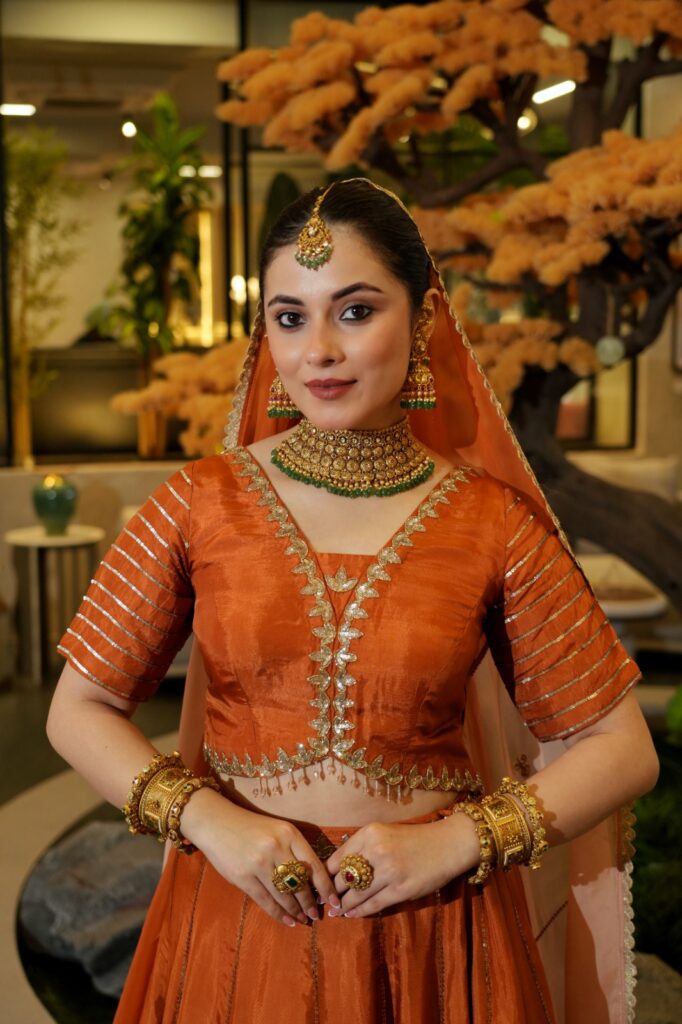
I have worked with couples who delayed decisions for months because nothing felt “right”. The biggest reason is not lack of options. It is lack of clear guidance. People are unsure about value, resale, comfort, and whether the design will still look good after ten years.
That is why this decision feels stressful today, not exciting.
What exactly is a diamond jewellery set and what usually comes in it
A diamond jewellery set is not one fixed thing. This is where confusion starts. Many people assume a set always means a big necklace with everything attached. In real wedding buying, it is more flexible than that.
In most Indian weddings today, a diamond jewellery set usually includes:
- A diamond necklace or choker
- A matching pair of earrings
- Sometimes a bracelet or bangles
- In a few cases, a matching ring
I have noticed that younger brides often prefer two lighter sets instead of one heavy piece. One for wedding rituals and one for reception or future use. Families who think long term usually choose modular sets, where earrings or pendants can be worn separately later.
At Sunaar The Jeweller, we explain this clearly before showing designs. Once people understand what a set actually means, half the stress goes away.
How Indian wedding buying behaviour has changed in 2026
Today, people in Indian cities buy diamond jewellery very differently than even a few years back. In Delhi, Noida, Gurgaon, and nearby areas like Ghaziabad and Faridabad, I see two clear patterns:
First, almost everyone checks diamond jewellery online first. They compare designs, see prices, and shortlist sets before stepping into a store. This makes conversations in showrooms faster but also more confusing if they see something online that does not match real-life quality.
Second, people are more value-conscious. Earlier, “heavy” used to mean better. Now brides and families ask questions like:
- How often will I wear this after the wedding?
- Can I break the set and wear pieces separately?
- What is the resale or upgrade value later?
This shift is important and helps people make smarter decisions. I have guided many couples who were unsure between a 22-carat look and a lighter diamond set for wedding that they can wear again and again.
Another change in 2026 is trust in reviews and local references. People often ask:
- “Who have you worked with recently?”
- “Can I see designs worn by brides from my city?”
This tells me that local relevance and real examples matter more than staged photos or flashy ads.
The result is that buying behaviour is becoming more informed but more conflicted at the same time. That is exactly why clear guidance matters.
Types of diamond jewellery sets used in weddings and how to choose correctly
In real wedding buying, I usually see four types of diamond jewellery sets being shortlisted. Each serves a different need. Problems happen when people mix the purpose.
Here is a clear breakdown I explain to families at the counter.
- Heavy bridal sets
Chosen mainly for wedding rituals. Looks rich in photos but rarely worn later. - Medium layered sets
Works for wedding plus reception. Easier to reuse. This is what most couples finally choose. - Light everyday diamond sets
Practical and comfortable. Brides who value repeat wear prefer this. - Modular sets
Necklace, earrings, bracelet usable separately. Very popular in 2026.
What usually works best is deciding the usage first, not the design. At Sunaar The Jeweller, once we ask where and how often the set will be worn, the right choice becomes obvious and decision fatigue drops immediately.
Diamond jewellery design choices that actually work for Indian brides
Design is where emotions take over. I understand that. But after handling many wedding orders, I have learnt one simple truth. Designs that look good on display do not always work on the bride.
Indian brides wear heavy outfits, layered makeup, and stay dressed for long hours. So balance matters more than trend.
Design choices that work in real weddings:
- Clean centre focus
One strong necklace design looks better than too many small elements. - Neckline matching
Chokers suit deep neck blouses. Longer necklaces suit closed neck lehengas. - Comfort-first earrings
Big earrings look good for photos but cause pain by hour three. Medium drop styles work best. - Timeless over trendy
I have seen brides regret ultra-modern designs after two years. Classic patterns age better.
At Sunaar The Jeweller, we often make brides try the set with similar necklines. That small step avoids regret later and brings confidence instantly.
Common mistakes people make while buying diamond jewellery for weddings
Most regrets I see are not about money. They are about decisions taken in a hurry or under pressure. These mistakes come up again and again.
- Buying only for wedding day
Looks grand once, then stays in the locker for years. - Ignoring comfort
Heavy sets cause neck strain. Brides realise this too late. - Blindly trusting online photos
Lighting hides thickness, weight, and finish issues. - Not asking about upgrades or exchange
This matters after 3 to 5 years. - Following relatives instead of usage
Every bride has a different lifestyle.
At Sunaar The Jeweller, we slow the process down. Once families understand these mistakes, choices become calmer and more logical. That itself saves money and stress.
Diamond jewellery set with price explained honestly with real ranges
One real problem people face is not knowing what a diamond jewellery set should cost in 2026. Online ads show only starting prices and fancy designs. Real prices depend on many things.
Here is a practical price table I share with clients in Delhi and nearby areas like Noida and Gurgaon. These are real 2026 ranges, not showroom tag estimates.
| Set Type | Typical Components | Approx Price Range (₹) | Best Use |
| Light everyday set | Necklace + Earrings | 80,000 – 1,50,000 | Reception / reuse |
| Medium layered set | Necklace + Earrings + Bracelet | 1,50,000 – 3,50,000 | Wedding + functions |
| Heavy bridal set | Full Necklace + Large Earrings + Bracelet + Ring | 4,00,000 – 10,00,000+ | Main wedding rituals |
| Modular set | Pieces used independently | 2,00,000 – 5,50,000 | Wedding + future wear |
These ranges change with:
- Diamond quality (cut, clarity, colour)
- Metal quality (18K vs 22K vs platinum)
- Craftsmanship and brand reputation
I had a couple recently who started with a 3 lakh online shortlist. Once they saw metal thickness and diamond sparkle in person, they shifted to a 4.5 lakh set that gave better real-life value.
The key is to pick a range based on long-term use and comfort, not just the number on the tag.
Online vs showroom buying: what works better for diamond jewellery in real life
This is one question I hear daily. And the honest answer is not online or showroom. It is how you use both.
In real life, here is what actually works in 2026.
Online works well for:
- Comparing diamond jewellery design styles
- Understanding price ranges
- Shortlisting 3 to 4 options
- Checking reviews and brand background
Showrooms work better for:
- Seeing actual diamond sparkle and metal finish
- Checking thickness, weight, and comfort
- Trying the set with your neckline and outfit type
- Final confidence before payment
I have handled cases where clients bought diamond jewellery online and later came to us for resizing or corrections. Most issues came from fit and finish, not cheating.
At Sunaar The Jeweller, we encourage people to come with online references. We then show what works in real wear and what does not. This mixed approach reduces regret and gives peace of mind.
If you are still comparing, shortlist online. If you are ready to decide, always see it once in person.
How we guide clients at Sunaar The Jeweller through wedding jewellery decisions
This part is personal for me.
I am Harshit, business owner at Sunaar The Jeweller. I sit with clients almost daily, not to sell fast, but to remove confusion. Most families come stressed. Too many opinions. Fixed budgets. Emotional pressure.
Our process is simple and calm.
First, we understand the wedding timeline, outfits, and how jewellery will actually be used after marriage. Then we narrow choices instead of expanding them. We show fewer sets, not many.
I work closely with my team across our showrooms. One person focuses on design comfort. Another checks pricing logic. This teamwork avoids rushed decisions.
Many clients later tell me they felt relaxed after the first meeting. That is always the goal. Clear thinking leads to better jewellery choices.
Real client case studies from wedding diamond jewellery buying
Here are two real, honest stories from my work in 2026 across Delhi, Noida, and Gurgaon. I share them exactly as they happened, with lessons you can use too.
Case Study 1: Choosing Comfort over Flash
Situation
A bride from South Delhi came with a heavy bridal set picked online. Family loved its look in photos.
Problem
When she tried it, the set felt rigid and heavy. She worried about discomfort that would show in photos and long rituals.
Action Taken
We showed her medium layered sets with better balance. Tried designs with similar sparkle but lighter weight. We measured how long she would wear it during rituals.
Result Achieved
She chose a 3.8 lakh medium set that looked rich and felt comfortable. She later shared photos saying she enjoyed events without neck strain.
Lesson
Weight and comfort matter more than how a set looks in studio lighting.
Case Study 2: Avoiding Resale Disappointment
Situation
A groom’s family had budgeted 7 lakh for a heavy bridal set. They assumed higher cost equals better value.
Problem
They had never checked local resale and upgrade options. After two years, they planned to upgrade but found low resale value.
Action Taken
We explained how modular and classic design holds value better locally. We compared two options in person and looked at local jeweller resale prices.
Result Achieved
They chose a 5.2 lakh modular set and later used the balance to upgrade earrings after one year. They felt happy with flexibility and resale clarity.
Lesson
Understanding future use and resale patterns saves money and regret.
These are real moments from my work. What stayed common was clarity and confidence after we talked through real concerns.
How to evaluate a diamond jewellery website before trusting it
Many people ask me this after getting confused online. A diamond jewellery website can look perfect and still hide important gaps. In 2026, judging a site needs a little practical thinking.
Here is what I always suggest checking before trusting any diamond jewellery online.
- Clear diamond details
Cut, colour, clarity, and carat must be mentioned clearly. If this is missing or vague, stop there. - Real product videos
Static photos are not enough. Videos show thickness, shine, and setting quality. - Transparent pricing breakup
You should see diamond cost, metal cost, making charges, and taxes separately. - Return and resizing policy
Many issues come after delivery. If policies are unclear, risk increases. - Local presence or support
Even online brands should have physical support or clear service flow.
I have seen clients come to us after online confusion. Once they learn how to evaluate properly, their shortlisting becomes sharper and safer.
What will change in diamond jewellery buying in the next 1–2 years
In the next year or two, I expect buying diamond jewellery sets for wedding to shift in a few clear ways, especially in places like Delhi, Noida, Gurgaon and nearby regions where I work most.
1. Better online clarity
Websites will start showing real videos, weight feel, and 3D views. People will stop trusting only studio-lit photos.
2. Personalised buying paths
More brands will offer guided selection based on your outfit, occasion plan, and future use. This is already starting at Sunaar The Jeweller.
3. Focus on reuse value
People are moving away from “one-day showpieces” to sets you can wear again and again. In 2026 this idea is mainstream.
4. Transparent pricing expectation
Customers will demand clear price breakup upfront. No hidden making or surprise charges at checkout.
5. Local services matter more
Even online buyers will prefer brands with local physical presence for try-ons, resizing, and servicing.
These changes are small but real. They are happening because buyers finally want comfort, clarity, and value, not just pretty photos.
Key takeaways before you finalise your diamond jewellery set
Before you lock anything, pause for a moment. These are the points I always want families to remember. They keep decisions practical and regret-free.
- Decide usage first, not design. Wedding day, reception, future wear all matter.
- Comfort is not optional. You will wear this set for hours.
- Do not rely only on online photos. Always check real finish and weight.
- Choose designs that age well. Trends fade faster than weddings.
- Ask clearly about exchange, upgrade, and resizing.
- Fix a realistic price range and stay within it.
- Fewer options lead to better decisions.
Quick reminder
If you are still comparing, take time. If you feel confident, trust that clarity. Jewellery should bring joy, not pressure.
Frequently Asked Questions
In my real experience, a medium layered or modular diamond jewellery set works best. It looks rich on the wedding day and stays useful later. Most brides regret sets that are too heavy to reuse.
For most Indian weddings in 2026, a sensible range is ₹1.5 to ₹5 lakh. I have seen families feel most satisfied when the budget matches comfort, reuse, and clear pricing, not just social pressure.
It can be safe for shortlisting. Final buying needs extra care. I have noticed issues usually come from fit, weight feel, and finish. Seeing the set once in person reduces most risks.
Cut and setting matter more than chasing very high clarity. In real wear, sparkle and balance are noticed first. I guide clients to focus on how the jewellery looks on them, not on paper specs.
They work if the bride is comfortable and will reuse parts later. I have seen many heavy sets stay unused after the wedding. Today, flexibility usually gives better long-term value.
Yes, but it needs proper guidance. I have worked on many custom sets where small design changes improved comfort and wearability. Customisation should solve a problem, not complicate the design.
Check for clear diamond details, real videos, price breakup, and service policies. In many years of work, confusion starts when websites hide these basics or avoid direct answers.
Rushing under family pressure, ignoring comfort, and buying only for one day are common mistakes. I have seen calm, step-by-step decisions always lead to better outcomes.
Design choice matters more than price. Classic and modular designs hold value better locally. I have observed resale and upgrade working smoothly when designs are timeless and practical.
Ideally 3 to 6 months before the wedding. This gives time for comparisons, custom changes, and stress-free decisions. Last-minute buying usually leads to compromises and regret.
Conclusion: making a confident wedding jewellery decision without pressure
Choosing a diamond jewellery set for wedding is not about rushing or impressing anyone. It is about making a calm, informed choice that feels right today and still makes sense years later.
If you take away one thing from this guide, let it be this. Start with usage, comfort, and long-term value. Designs, prices, and opinions fall into place after that.
In my daily work at Sunaar The Jeweller, I see families relax the moment clarity replaces pressure. Good jewellery decisions are quiet ones. They feel settled, not forced.
Take your time. Ask the right questions. Compare honestly. When you feel confident, move ahead. That confidence is what truly shows on the wedding day and long after it.
